




15 Simple Patterns to Draw When You Need Easy, Mindless Creativity

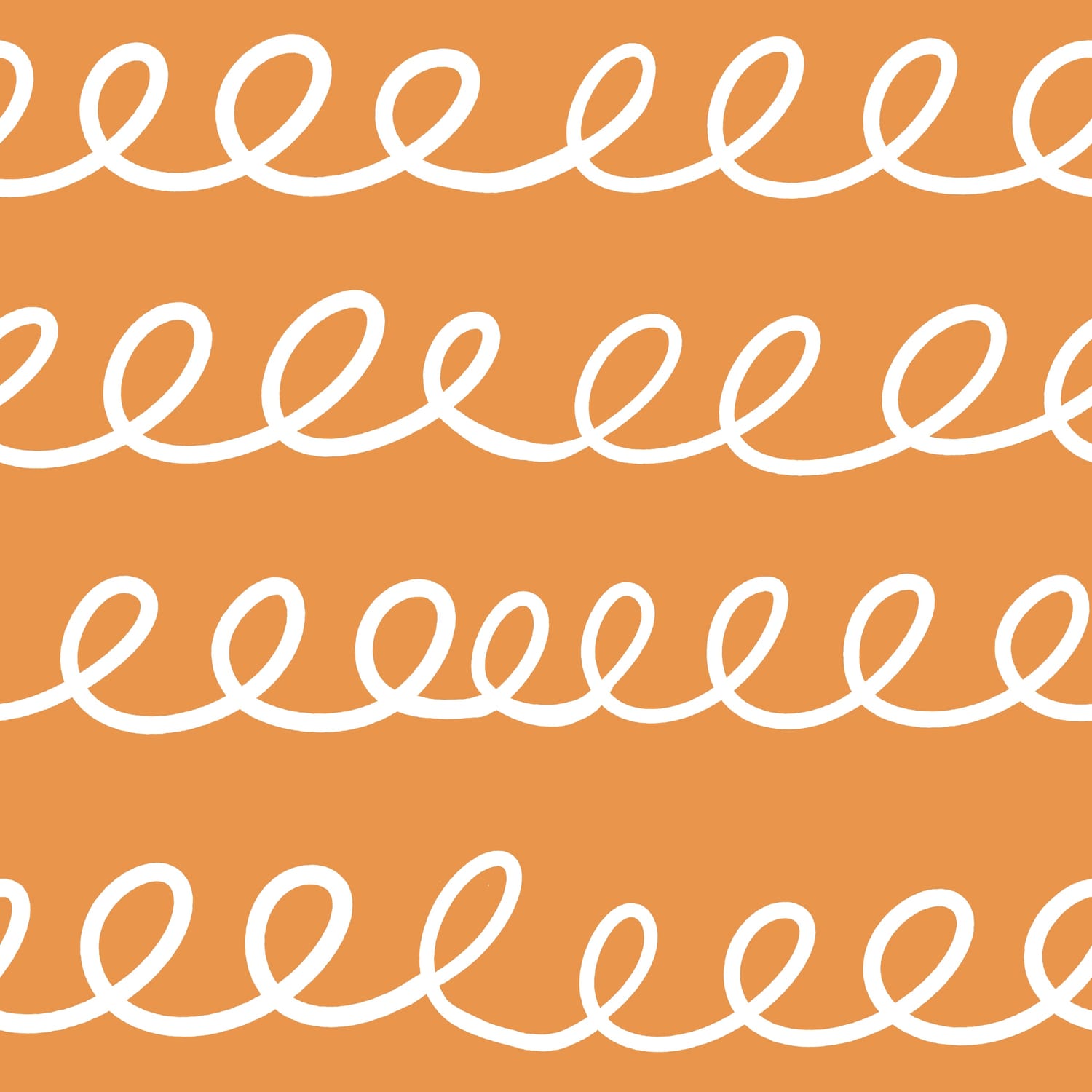
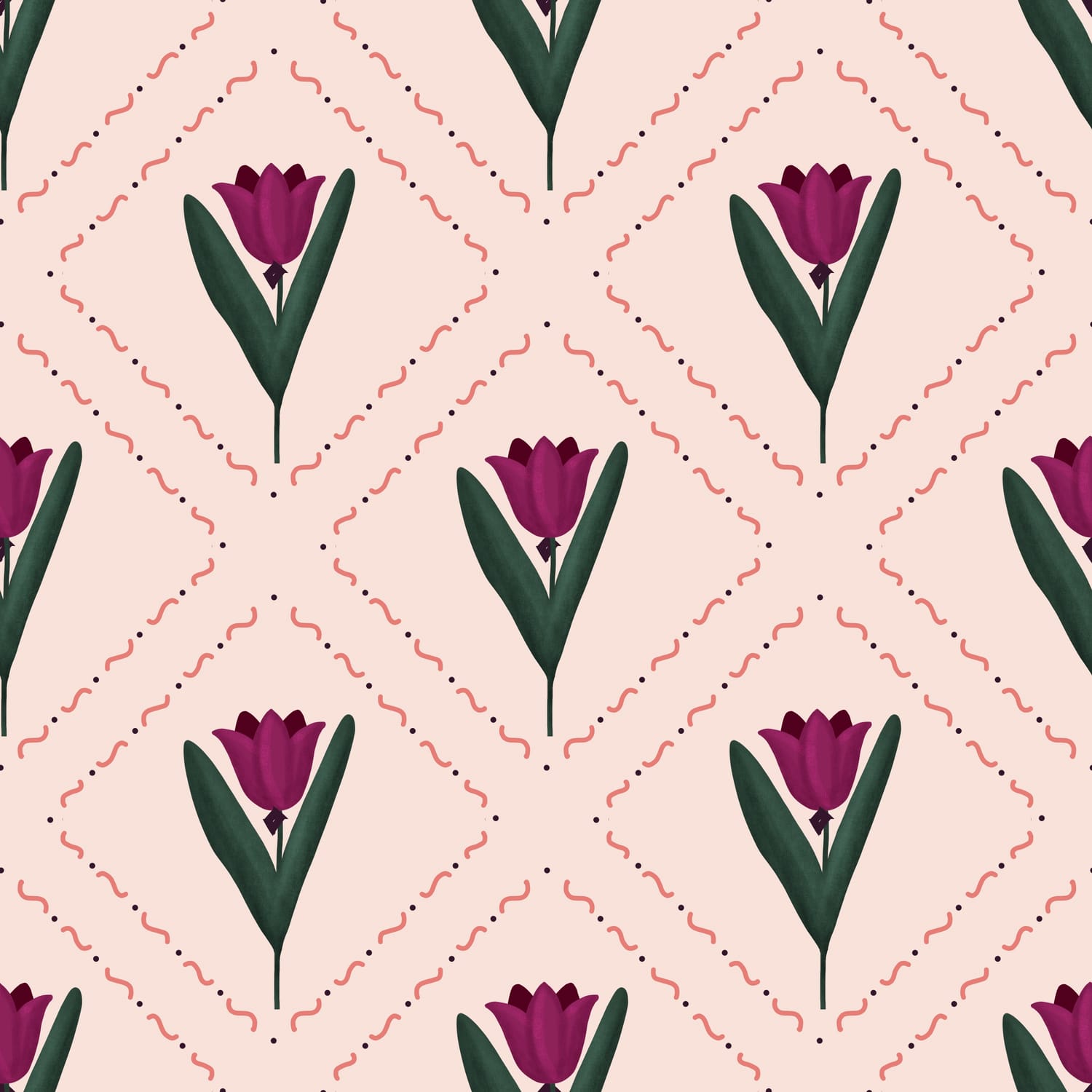


Sometimes you don’t want a full illustration and you just want to draw something relaxing, repetitive, and satisfying. That’s where patterns come in. They’re perfect for warming up, filling sketchbook pages, decorating backgrounds, or just getting your hands moving without overthinking.
Here are 15 simple patterns you can start drawing right away.
1. Polka Dots
The classic. Try changing spacing, size, or making them uneven for a more organic feel.
2. Stripes
Vertical, horizontal, diagonal—there’s no wrong way to do it. Mix thick and thin lines for variation.
3. Checkerboard
A simple grid of alternating filled and empty squares. Great for practicing spacing and consistency.
4. Waves
Draw soft, flowing curved lines across the page. Perfect for a calming, rhythmic effect.
5. Zigzags
Sharp, repetitive angles that can feel bold or energetic depending on spacing.
6. Hearts
Fill a page with tiny hearts or mix sizes for a playful pattern.
7. Stars
Try five-point stars or simple asterisk-style stars scattered across the page.
8. Dots + Lines Combo
Alternate rows of dots and straight lines for a structured but interesting pattern.
9. Floral Doodles
Simple flowers like daisies, tulips, or four-petal blooms repeated across the page.
10. Grid Squares
A full grid where you fill each square differently—dots, lines, shading, or empty.
11. Crosshatch
Layer diagonal lines in opposite directions to create textured shading patterns.
12. Leaf Motifs
Small repeated leaves in different directions create a soft, natural pattern.
13. Spiral Shapes
Draw simple spirals—tight, loose, big, or tiny. They’re oddly satisfying to repeat.
14. Brick Pattern
Rectangles stacked in offset rows like a brick wall. Add texture or shading for depth.
15. Checker + Dot Mix
Alternate sections of checkerboard and polka dots for a more dynamic composition.
How to Use These Patterns
These aren’t just for filling space—they can actually become part of your creative routine:
Warm up before illustration work
Fill sketchbook pages without pressure
Create background textures for digital art
Decorate journal pages or planners
Break out of creative blocks
These Patterns Also Make Great “Blender” Elements
Simple patterns aren’t just good for sketchbook practice—they also work beautifully as filler or “blender” elements in larger pieces.
Artists often use patterns like dots, waves, florals, checkerboards, or stars to:
Connect different elements together
Fill awkward empty spaces
Add texture and movement
Make a composition feel more cohesive
Whether you’re creating digital illustrations, journal pages, or background designs, simple repeated patterns can help tie everything together without overwhelming the main artwork.
Sometimes the smallest details are what make a piece feel finished.
Final Tip
Don’t aim for perfect patterns. Slight imperfections are what make them feel hand-drawn, personal, and interesting. Just pick one, start repeating, and let your hand take over.